 Skip to content

Cancer Screening in Scarsdale, NY
A More Informed Approach to Cancer Risk
Cancer can develop quietly, often progressing before a patient notices anything is wrong. That’s exactly why appropriate screening and early risk assessment are such a powerful part of preventive care.
Cancer risk is shaped by many factors — age, personal and family history, inherited genetic variants, lifestyle, environmental exposures, and previous medical findings. Routine cancer screening remains essential, but the right strategy looks different for every patient.
At Impact Health NY, we provide personalized Cancer Screening in Scarsdale built around each patient’s medical history, family history, genetics, current risk factors, previous testing, and long-term health goals.
Our goal isn’t to order every available test. It’s to identify the screening and risk assessment tools that offer the greatest clinical value for you specifically.
Cancer Screening Begins With the Individual
Effective Cancer Screening isn’t a single test or a standardized panel — it’s a coordinated process that considers which cancers you may be at risk for, which screenings are recommended, and whether additional evaluation makes sense.
Some patients need routine, age-based screening. Others benefit from earlier screening, more frequent monitoring, genetic cancer risk assessment, or advanced blood-based testing.
At Impact Health NY, we evaluate:
- Personal medical history
- Family history of cancer
- Previous cancer diagnoses
- Age and overall health
- Genetic Predisposition
- Lifestyle and environmental exposures
- Prior screening results
- Current symptoms or health changes
- Existing screening recommendations
- Long-term prevention goals
This lets us build a screening strategy around your complete risk profile — not a one-size-fits-all checklist.

What Is Cancer Screening?
Cancer Screening refers to selected tests and evaluations used to look for cancer or precancerous changes before symptoms appear.
Depending on the type of cancer and your individual risk, screening may include imaging, laboratory testing, physical examinations, endoscopic procedures, genetic risk assessment, or blood-based testing.
Cancer Screening may also involve confirming that you are current with recommended screenings for cancers such as:
- Breast cancer
- Colorectal cancer
- Cervical cancer
- Lung cancer
- Prostate cancer
- Skin cancer
Unfortunately, many of the most feared cancers do not currently have any recommended screening protocols. The right tests and timing depend on age, sex, medical history, family history, lifestyle, previous results, and other individual risk factors.
At Impact Health NY, we help you understand which screenings apply to you, whether additional evaluation should be considered, and how each result fits into your broader prevention strategy.
How Cancer Screening Works at Impact Health NY
The process starts with a comprehensive assessment of your health and cancer risk.
We review your personal and family medical history, previous screening results, lifestyle, environmental exposures, known genetic factors, and any current health concerns — and confirm whether your existing screening schedule still fits your age and risk profile.
Your Cancer Screening plan may include:
- Review of personal and family cancer history
- Guidance on routine cancer screenings
- Assessment of inherited cancer risk
- Genetic testing when clinically appropriate
- Galleri multi-cancer early detection testing for selected patients
- Biomarker or laboratory testing when relevant
- Review of lifestyle and environmental risk factors
- Coordination of additional screening or diagnostic evaluation
- Follow-up planning and ongoing monitoring
We then connect your findings to a clear plan for prevention, further evaluation, or continued surveillance.


Routine Cancer Screening
Routine screening tests are designed to identify specific cancers or precancerous changes before symptoms develop.
The recommended type and timing vary by cancer. Some recommendations are based mainly on age, while others factor in smoking history, family history, genetics, previous findings, and additional health considerations.
Routine screening may include mammography, colorectal cancer screening, cervical cancer screening, low-dose CT for eligible patients at elevated lung cancer risk, prostate cancer risk assessment, or other evaluations. These established methods remain an essential part of preventive care.
Advanced or blood-based screening doesn’t replace recommended Cancer Screening — it can add an additional layer of information for selected patients.
Genetic Cancer Risk Assessment
A family history of cancer doesn’t automatically mean you’ve inherited a cancer-related genetic variant. But certain patterns within a family can signal that a more detailed genetic risk assessment is worth pursuing, including:
- Multiple relatives with the same or related cancers
- Cancer diagnosed at an unusually young age
- One individual diagnosed with multiple primary cancers
- A known inherited cancer-related variant in the family
- A family history involving cancers associated with hereditary syndromes
When clinically appropriate, genetic testing can help identify inherited variants that may increase susceptibility to certain cancers. The results may influence:
- When screening should begin
- Which cancers should be monitored
- How frequently screening should occur
- Whether specialized imaging or other testing is appropriate
- Whether family members should consider risk assessment
- Which prevention strategies deserve closer attention
Genetic cancer risk assessment is different from testing for a current cancer signal — it evaluates inherited susceptibility rather than whether cancer is present right now.
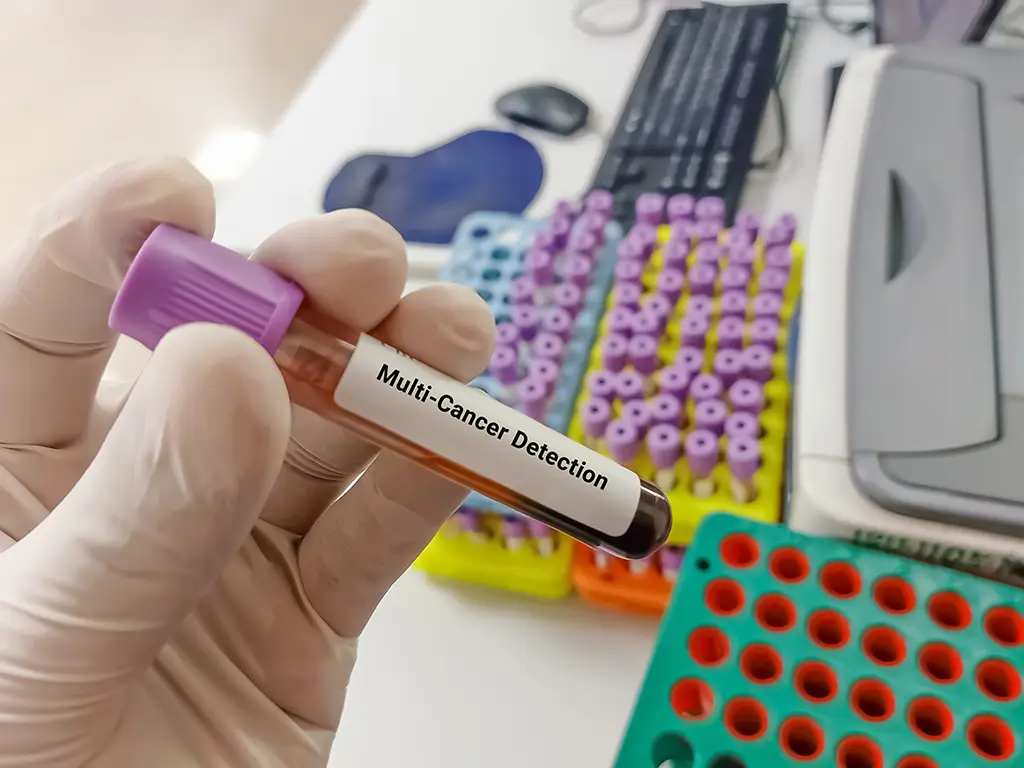
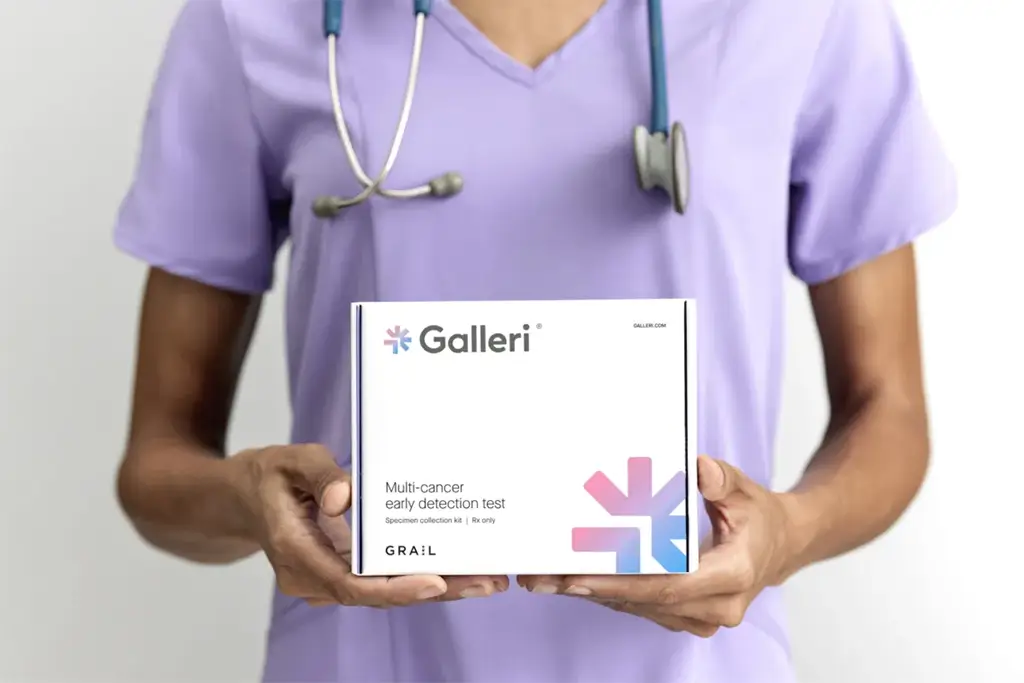
Galleri Multi-Cancer Early Detection Testing
Galleri is a blood-based multi-cancer early detection test that looks for biological signals associated with multiple cancer types and can help predict where in the body a detected signal may have originated. It may offer an additional screening option for selected adults with elevated cancer risk, including many patients aged 50 and older.
When a cancer signal is detected, additional diagnostic testing is required to confirm whether cancer is present. The test also doesn’t detect every cancer — false-negative results can occur, and a negative result doesn’t completely rule out cancer.
For this reason, Galleri is used in addition to routine screenings recommended by a healthcare provider — it does not replace mammograms, colonoscopies, cervical cancer screening, lung cancer screening, or other established methods. This aligns with how the National Cancer Institute currently frames multi-cancer detection testing: as a complement to, not a substitute for, standard screening, and still an evolving area where positive findings always warrant further evaluation.
At Impact Health NY, Galleri testing is considered within the context of your age, medical history, family history, current health, screening status, and overall risk profile — and we walk you through exactly what your results mean and what should happen next.

What Cancer Screening Can Help Clarify
A comprehensive Cancer Screening evaluation can help determine:
- Which routine screenings apply to you
- Whether you’re current with recommended testing
- Whether family history changes your screening needs
- Whether inherited genetic risk should be evaluated
- Whether screening should begin earlier or occur more frequently
- Whether Galleri testing may be appropriate
- Whether previous findings require closer monitoring
- Which lifestyle or environmental factors may influence risk
- Whether additional evaluation is needed
- How screening fits into your long-term prevention strategy
The purpose isn’t to run more tests — it’s to identify the tests most likely to give you clinically meaningful information.

Understanding the Potential Benefits and Limitations
Cancer Screening can identify certain cancers or precancerous changes before symptoms develop. Earlier identification may expand treatment options and improve outcomes for some cancer types and can help flag patients who need more frequent monitoring or a different screening strategy.
That said, every screening test has limitations. Depending on the test, Cancer Screening may result in:
- A false-positive result
- A false-negative result
- An incidental finding
- Additional imaging or laboratory testing
- A biopsy or other diagnostic procedure
- A finding that requires continued monitoring
- Uncertainty that requires further clinical evaluation
An abnormal screening result doesn’t necessarily mean cancer is present — it means additional evaluation may be needed. Likewise, normal results don’t eliminate all cancer risk. We always recommend continuing routine screenings and discussing new or persistent symptoms with your provider.
At Impact Health NY, we walk through both the value and the limitations of each screening option so you can make informed decisions based on your individual risk and goals.

From Screening Results to a Prevention Strategy
Screening results are most useful when interpreted within the context of the whole patient.
At Impact Health NY, we connect screening findings with medical history, genetics, metabolic health, lifestyle, environmental exposures, and previous results — creating a clearer picture of your current risk and the right next steps.
Your plan may include:
- Maintaining routine screening
- Beginning screening earlier
- Increasing screening frequency
- Genetic counseling or testing
- Additional imaging or diagnostic evaluation
- Lifestyle and risk-reduction recommendations
- Follow-up laboratory testing
- Coordination with a specialist
- Ongoing monitoring
This turns isolated screening results into a complete, clinically useful prevention strategy.

Who Should Consider a Personalized Cancer Screening Assessment?
Adults should stay current with routine cancer screenings appropriate for their age, sex, medical history, and risk profile. A more comprehensive assessment can be especially valuable for patients with:
- A personal history of cancer or precancerous findings
- A strong family history of cancer
- Cancer diagnoses at younger ages within the family
- A known inherited cancer-related variant
- A history of smoking or significant environmental exposure
- Previous abnormal screening results
- Uncertainty about which screenings are appropriate
- An interest in Galleri testing
- Concerns about inherited cancer risk
- An interest in a more proactive prevention strategy
You don’t need to wait until symptoms appear to start evaluating your cancer risk. That said, screening is intended for people without symptoms — new, persistent, or unexplained symptoms call for a medical evaluation, not routine screening.

Is Cancer Screening Safe?
Cancer Screening is generally safe when each test is matched thoughtfully to your age, health history, risk profile, and clinical needs. The specific considerations vary by test — a blood test carries different risks and limitations than an imaging study, endoscopic procedure, biopsy, or genetic test.
Before recommending a test, we weigh:
- The clinical value of the information
- Your likelihood of benefiting from the test
- Potential false-positive or false-negative results
- Whether additional procedures may be required
- Radiation or contrast exposure, when applicable
- Previous screening history
- Current symptoms and medical conditions
- Pregnancy and other relevant medical considerations
- How the results would influence your care
This selective approach lets us pursue meaningful information while avoiding unnecessary testing.

Personalized Cancer Screening in Scarsdale
At Impact Health NY, Cancer Screening in Scarsdale is part of a broader approach to preventive and longevity-focused care. We never evaluate cancer risk in isolation — we consider how genetics, family history, metabolic health, lifestyle, environmental exposures, age, and previous medical findings interact over time.
Each screening plan is designed to:
- Clarify individual cancer risk
- Confirm which routine screenings are appropriate
- Identify whether advanced testing should be considered
- Evaluate possible inherited risk
- Guide follow-up and additional testing
- Support informed prevention decisions
- Establish a plan for continued monitoring
The result isn’t just a list of tests — it’s a targeted strategy for understanding your risk and acting on clinically meaningful information.
Schedule a Cancer Screening Assessment
Cancer risk is personal, and screening should be approached with the same level of precision.
Impact Health NY provides personalized Cancer Screening in Scarsdale for patients who want a clearer understanding of their risk, screening options, and next steps.
Schedule your cancer risk assessment today to find out which routine screenings, genetic evaluations, or advanced screening tools are right for your medical history, family history, and long-term health goals.
Cancer Screening FAQs
When should you begin thinking about Cancer Screening?
It depends on age, sex, personal medical history, family history, lifestyle, previous findings, and individual risk. Some patients should begin routine screening at standard recommended ages; others may need to start earlier or follow a different schedule because of family history, genetics, smoking history, previous findings, or other risk factors.
What is the first step in Cancer Screening at Impact Health NY?
A comprehensive review of your medical history, family history, previous screenings, lifestyle, environmental exposures, known genetic risk, and health goals — which we use to determine which screening options are clinically relevant and whether additional testing should be considered.
Can Cancer Screening identify cancer before symptoms appear?
Certain screening tests can identify cancer or precancerous changes before symptoms appear. Effectiveness depends on the cancer type, the test used, your risk profile, and whether screening is performed at the appropriate time. No screening test identifies every cancer.
Does Galleri replace routine Cancer Screening?
No. Galleri is intended to complement, not replace, routine cancer screenings recommended by a healthcare provider. Patients should continue appropriate screenings — mammography, colorectal cancer screening, cervical cancer screening, lung cancer screening — regardless of whether they complete a Galleri test.
Does a positive Galleri result mean that I have cancer?
No. A cancer signal detected result is not a cancer diagnosis. Additional diagnostic evaluation is required to determine whether cancer is present and identify the appropriate next steps.
Does a negative Galleri result mean that I do not have cancer?
No. Galleri does not detect every cancer, and a negative result doesn't completely rule out cancer. Patients should remain current with routine screening and seek medical evaluation for new, persistent, or unexplained symptoms.
Is genetic testing the same as Galleri testing?
No. Genetic cancer risk testing evaluates inherited variants that may increase your future susceptibility to certain cancers. Galleri evaluates the blood for biological signals that may indicate cancer is currently present. The two tests answer different clinical questions.
Is Cancer Screening appropriate for everyone?
Routine Cancer Screening is appropriate for many adults, but the specific tests and timing differ by individual. Age, sex, medical history, family history, genetics, previous results, and other risk factors determine which screening strategy fits best.
Is Cancer Screening covered by insurance?
Coverage depends on the type of screening, medical necessity, symptoms, risk factors, and individual insurance plan. Routine screening may be covered differently than genetic testing, advanced laboratory testing, or Galleri. Patients should confirm coverage and potential out-of-pocket costs with their insurance provider before testing.