 Skip to content

Full-Body CT Scanning
Advanced Imaging for Early Insight, Risk Detection & Smarter Health Decisions
CT scans create high-resolution images of areas inside the body, including the chest, abdomen, pelvis, and other regions depending on the purpose of the scan. At Impact Health NY, we see a full-body CT scan as just one component of the overall healthcare assessment process rather than the only solution. In certain contexts, a full-body CT scan may assist in detecting issues that require further investigation as well as making more informed decisions. Nonetheless, there are also some disadvantages of full-body CT scans.

Incidental Findings
One concern with a full-body CT scan is the possibility of finding abnormalities that may be harmless or may never cause symptoms, but still lead to additional testing or follow-up.

Radiation
A CT scan uses x-rays, which means there is some radiation exposure. That does not mean CT should be avoided when it is medically appropriate, but it does mean the decision should be made thoughtfully and on an individual basis.

Targeted Screening Matters
Broad screening is not always the same as smart screening. CT is often most useful when it is being used to answer a specific clinical question, evaluate symptoms, or look more closely at a known risk.
What Is Full-Body CT Scanning?
A full-body CT scan is an imaging process whereby computed tomography is used to generate cross-sectional images of the body. Unlike conventional x-rays, CT scans offer much better images of organs, blood vessels, bones, and other structures within the body. Under certain conditions, a full-body CT scan can help to detect some abnormalities that would otherwise be overlooked during a regular examination.
A full-body CT scan is not required for all people. The key issue here is whether a full-body CT scan is appropriate for you personally.
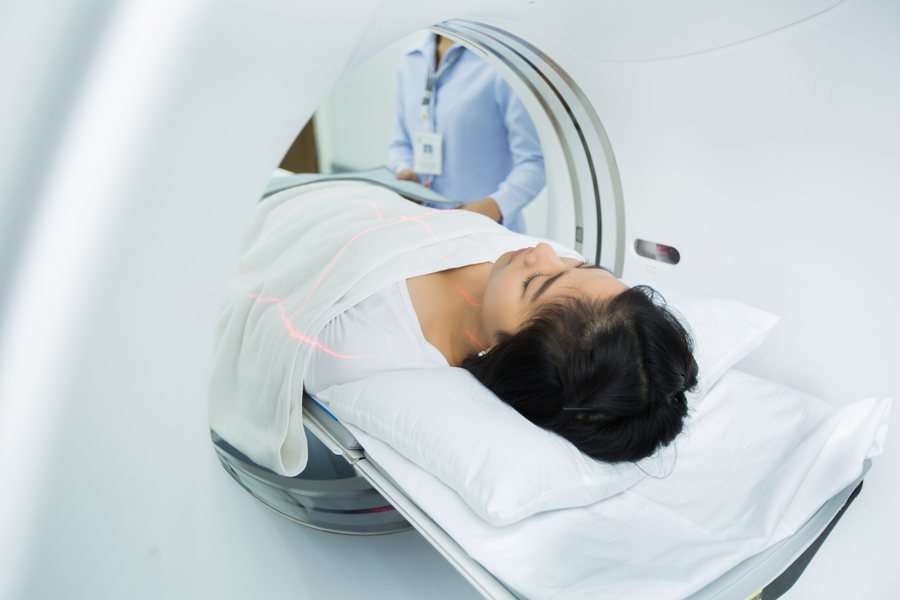
How Does Full-Body CT Scanning Work?
A CT scan uses a rotating x-ray beam and computer processing to create detailed images of the inside of the body. Depending on the reason for the test and the areas being evaluated, the scan may be done with or without contrast.
The process may include:
- A review of your symptoms, risk factors, and medical history
- Deciding whether CT is the right test or whether another type of imaging would be more appropriate
- Imaging while you lie on the CT table
- Review of the images by a radiologist
- A discussion of the results and any recommended next steps
What Can Full-Body CT Scanning Help With?
When used appropriately, CT imaging may help identify or further evaluate a range of concerns, including:
✔ Certain structural abnormalities in the chest, abdomen, or pelvis
✔ Findings that may help explain unexplained symptoms
✔ Specific risks that warrant closer imaging review
✔ Certain areas that need additional examination after the results of laboratory tests, history, or other examinations
✔ Certain conditions related to organs, blood vessels, or other structures within the body
✔ Certain cases when a physician needs to get a wider image of anatomy as a part of the overall examination
What CT should not be presented as is a guaranteed way to catch everything early. Whole-body scans can reveal incidental findings that turn out to be insignificant, and those findings can sometimes lead to extra stress, added cost, and unnecessary follow-up.
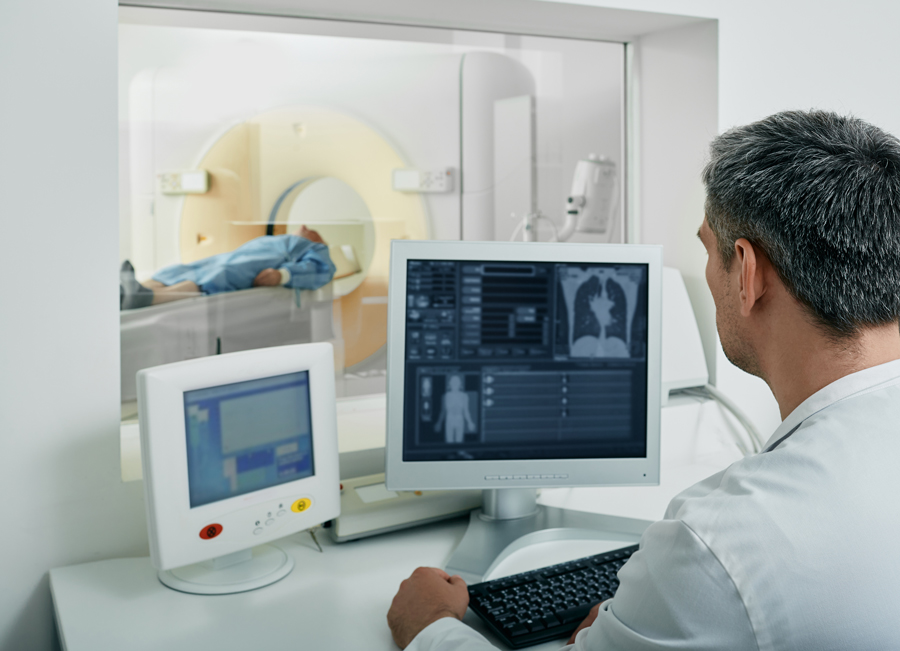
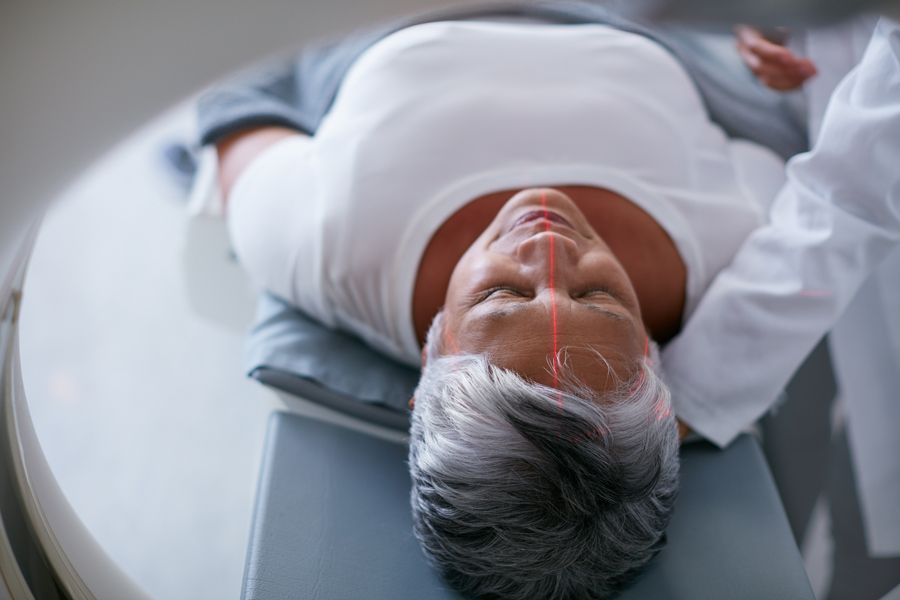
Benefits of CT Scanning
When recommended thoughtfully and interpreted in context, CT imaging can offer real advantages. At Impact Health NY, the goal is not to order more imaging just for the sake of it. The goal is to use advanced diagnostics in a way that supports clearer decisions and more useful next steps.
Potential benefits may include:
- A more detailed view of internal anatomy than standard x-rays
- Faster identification of certain structural concerns
- Better guidance on whether additional testing is actually needed
- More informed discussions about next steps
- A targeted way to investigate symptoms or risk factors when appropriate
Some patients feel reassured by having more information, but a scan is only helpful when that information changes care in a meaningful way. That is why patient selection and physician guidance matter so much.
Is a CT Scan Safe?
CT scanning is widely used and can be very helpful when medically appropriate, but it is not without risk. Two of the main concerns are radiation exposure and incidental findings that can lead to unnecessary follow-up.
Full-body CT scanning may not be the right fit if you:
- Do not have symptoms and are looking for a catch-all screening test
- Are unlikely to benefit based on your age, history, or risk profile
- May be better served by a more targeted imaging study
- Need an evaluation where another imaging method would make more sense
- Have factors that require special imaging precautions or a different diagnostic approach
At Impact Health NY, we do not treat CT as a routine wellness add-on. We begin with a medical review to decide whether imaging makes sense, what type of imaging is most appropriate, and how any results should be interpreted in the context of your overall health.


Advanced CT Scanning Technology at Impact Health NY
When you get a CT scan at Impact Health NY, the focus is on providing the best and clearest imaging possible to help you make the right decisions. This is why we chose the GE Revolution Apex CT platform. With this cutting-edge platform, we offer high-resolution scanning that provides more detail with greater speed and less discomfort, as well as reduced radiation dose compared to many other CT platforms.
The importance of this technology cannot be overstated, as it allows us to make better assessments based on the clearer picture we get through this imaging technology. The GE Revolution Apex is designed to ensure high-quality images of even difficult patients, those with high heart rates or who have trouble remaining still during the procedure.
With this system, patients benefit from:
- High-resolution imaging for clearer detail
- Fast scan times for a more comfortable experience
- Lower-dose imaging without sacrificing quality
- Advanced image reconstruction for more consistent results
For our patients that means CT imaging is supported by technology designed to make scans more efficient, more precise, and more useful in real clinical decision-making.
Get Started with CT Scanning
When you are facing symptoms that are difficult to diagnose, have medical concerns that relate to your or your family’s past history, or simply need information regarding the benefits of using advanced technology in your diagnosis, we will assist.
A full-body CT scan may not be suitable for all individuals; however, in the appropriate circumstances, it can be beneficial in helping to formulate an overall strategy. The key factor in performing the CT scan is ensuring that there is a valid reason for ordering it and that it is properly interpreted.
Need answers or want to book your appointment? Call or fill out our online booking form today!
FAQs About Full-Body CT Scans
What comes before a full-body CT scan?
A medical evaluation comes first. Your doctor should review your symptoms, medical history, risk factors, and goals to decide whether CT is appropriate and whether a full-body scan or a more targeted study makes more sense.
2. Will a full-body CT scan help detect cancer early?
It may detect abnormalities, but it does not guarantee early cancer detection in every patient.
3. Is there any risk associated with full-body CT scans?
Yes. Radiation exposure and incidental findings are two of the main concerns.
4. How long does a full-body CT scan take?
The scan itself is often relatively quick, but total time can vary depending on the areas being scanned and whether contrast material is used.
5. Is a full-body CT scan right for everyone?
No. The decision should be based on the individual case. Some people are better served by targeted imaging studies based on specific symptoms, risk factors, or clinical concerns.
If you want, I can also make this a little more polished and premium so it feels closer to a finished website service page.