 Skip to content

Cancer Screening in New York | Impact Health NY
Early detection is in your Hands
Cancer can develop unnoticed for years, often remaining asymptomatic until it reaches an advanced stage. Many cancers, particularly those without routine screening protocols, are often detected late, limiting treatment options and outcomes.
At Impact Health, we take a proactive, precision-based approach to cancer screening and early detection. Utilizing advanced diagnostics, genetic profiling, and multi-cancer screening technologies, we assess individual risk factors and identify cancer at its earliest, most treatable stages, before symptoms appear.

1 in 3
Will Be Diagnosed
with cancer in their lifetime.
* Data from reputable health organizations like the American Cancer Society and the National Cancer Institute.

Over 50%
of cancers can be prevented or
detected early with the right screenings.
* Data from reputable health organizations like the American Cancer Society and the National Cancer Institute.

Types of Cancer
can be detected by Galleri® testing
many before symptoms develop.
* Data from reputable health organizations like the American Cancer Society and the National Cancer Institute.
What Is Cancer Screening?
Cancer screening is a medical practice in which a person is searched for cancer symptoms. The search may include blood tests, genetic tests, biomarker tests, and a critical evaluation of a patient’s medical and family history, depending on the patient’s screening and individual risk characteristics.
Impact Health does not believe in a standard approach to cancer screening. Instead, we use advanced technology and a patient’s individual risk characteristics to help identify patient concerns more clearly.


How Does Cancer Screening Work?
Cancer screening at Impact Health begins with a thorough review of your health history, family history, and other factors that might increase your risk of developing certain types of cancer. From there, we might recommend a variety of sophisticated tools that are able to help measure your risk, detect cancer signals, and even track changes over time.
Some of these tools might include:
- Multi-cancer early detection tests that look for signals of cancer through a simple blood test
- Genetic profiling that seeks to identify certain inherited factors that might increase your likelihood of developing certain diseases
- Sophisticated biomarker tests that look at patterns that might indicate an increased likelihood of developing certain diseases
- Lifestyle and environment assessments that might look at other factors that might have an impact on your health
- Monitoring your changes over time
All of this allows us to take a more proactive, personalized approach to your health.
Galleri®
ADVANCED
Cancer Detection
Galleri®: A Revolutionary Approach to
Cancer Detection
Impact Health is proud to offer Galleri®, a breakthrough multi-cancer early detection test that uses a simple blood draw to detect cancer signals from over 50 types of cancer, many of which currently have no recommended screening tests. This cutting-edge technology can identify cancer before symptoms appear, providing the opportunity for earlier diagnosis and intervention.
With Galleri®, you gain a clear, early view of your cancer risk, empowering you to take proactive steps toward prevention and treatment.
What Can Cancer Screening Help With?
Cancer screening can play an important role in a more informed and forward-thinking approach to your health. At Impact Health, we are here to provide support with cancer screening and prevention for our patients who are seeking:
✔ Early detection before signs and symptoms develop
✔ Understanding individual and family cancer risks
✔ Inherited genetic factors that can impact cancer risk
✔ Advanced technology for early detection of cancers with no routine screening methods
✔ Ongoing monitoring to detect changes that may need further attention
✔ A more individualized approach to prevention and health planning

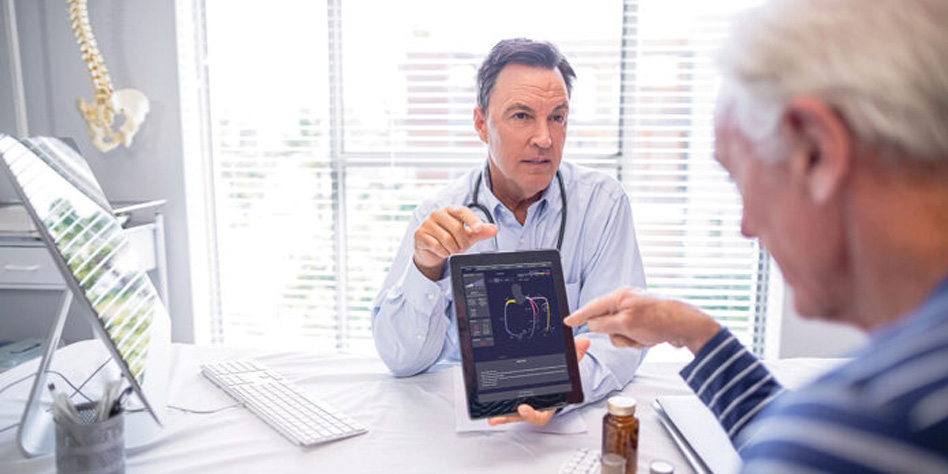
Proactive Cancer Prevention Starts Here
Even with cutting-edge early detection tools, prevention remains key to reducing your cancer risk. Cancer develops from a combination of genetics, lifestyle, and environmental factors, meaning a personalized, proactive approach is essential for long-term health.
At Impact Health, we take cancer prevention further by offering:
- Comprehensive risk assessments – Understanding personal and family history to assess cancer susceptibility
- Advanced biomarker and genetic testing – Identifying genetic predispositions that may increase risk
- Lifestyle and environmental evaluations – Assessing diet, toxin exposure, and lifestyle choices linked to cancer
- Regular monitoring and follow-ups – Tracking health changes to detect risks before they escalate
Screening and Risk Assessment Tools We Use
Every screening plan at Impact Health is customized based on your health history, risk factors, and goals. Some of the tools and strategies we may use include:
- Galleri® testing – Multi-cancer early detection through a simple blood dra
- Genetic risk assessment – Helps identify inherited predispositions linked to certain cancers
- Advanced biomarker testing – Provides additional insight into patterns that may affect cancer risk
- Lifestyle and environmental review – Looks at modifiable factors that may influence long-term health
- Ongoing monitoring – Supports follow-up care and future screening decisions based on changes over time
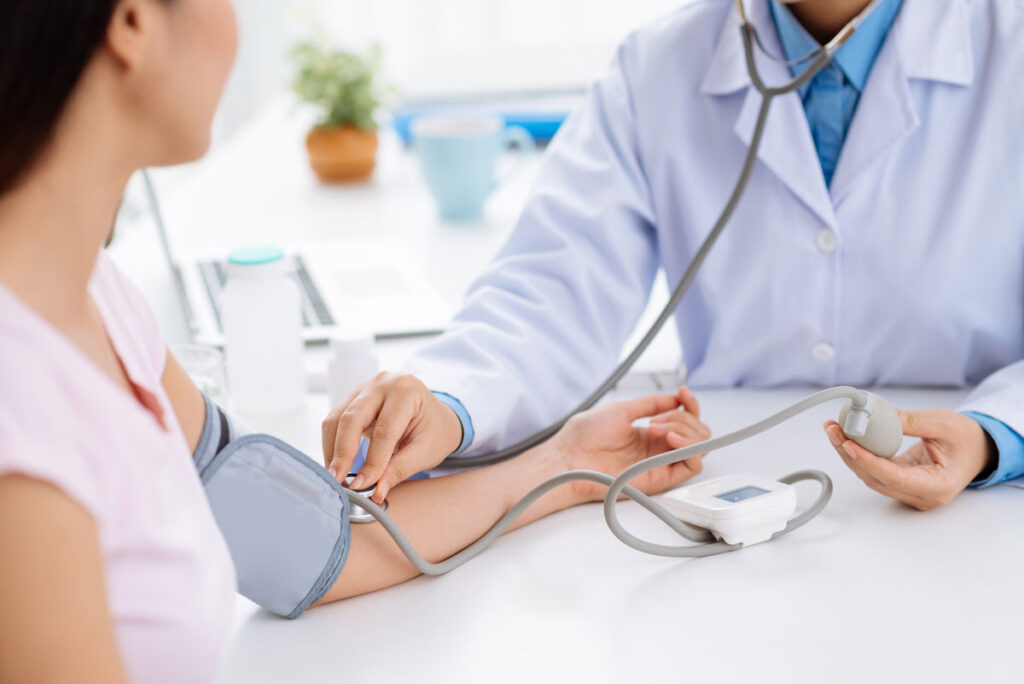

What Are the Benefits of Cancer Screening?
Cancer screening, with the guidance of a medical provider, allows you to become a more proactive partner in your future health. The benefits of cancer screening for our patients at Impact Health include:
✔ Increased awareness of possible health issues well before they become a concern
✔ Increased awareness of individual health risks
✔ A more personalized approach to prevention
✔ The ability to take advantage of more sophisticated screenings, not just routine screenings
✔ Increased monitoring of your health
✔ Increased opportunities for future follow-ups
Perhaps the biggest benefit of cancer screenings for many patients is the increased awareness of their health status before symptoms become pressing.
Is Cancer Screening Safe?
Generally, cancer screening is safe when done under the guidance of a licensed medical provider and when an appropriate plan is selected according to the individual’s needs and risk profile. Blood-based screening, genetic testing, and biomarker testing are usually well-tolerated methods. However, an individualized approach to cancer screening may be necessary in some cases.
Some individuals may need an individualized approach to cancer screening based on:
- Personal or family history of cancer
- Age and health status
- Underlying medical conditions
- Current treatment regimens
- Pregnancy or breastfeeding status
At Impact Health, we always begin with an individualized evaluation to determine which methods are appropriate for you.
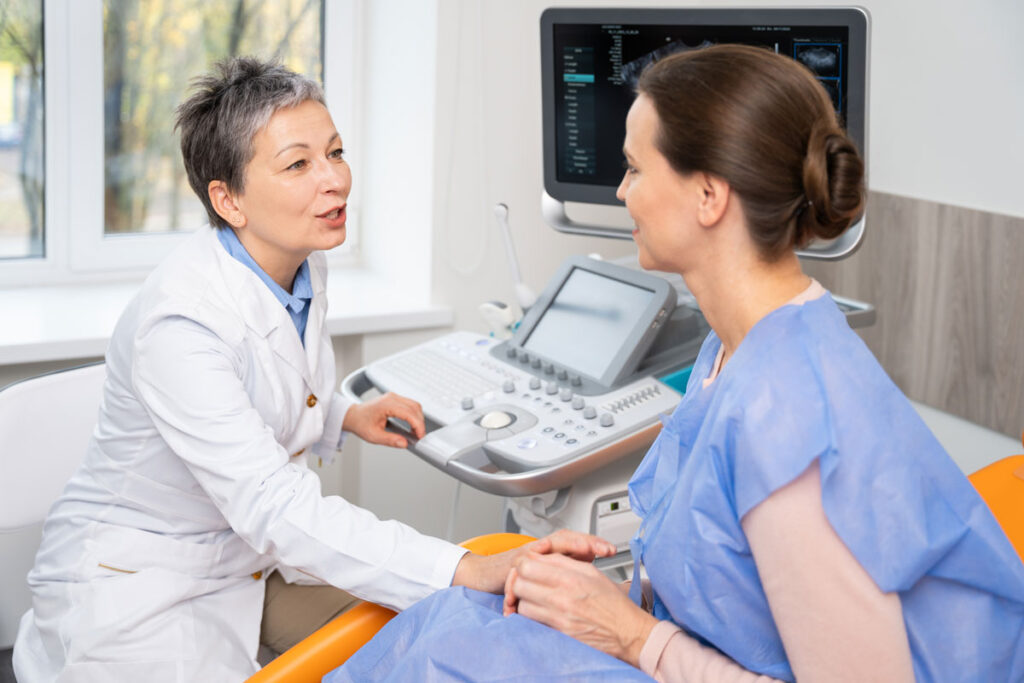

Customized Cancer Screening Plans at Impact Health
We don’t take a cookie-cutter approach to cancer screening. Every cancer screening plan is designed around:
- Your personal and family medical history
- Your genetic and biomarker testing results
- Your lifestyle and personal risk factors
- Your follow-up needs over time
We also connect cancer screening with other prevention strategies to provide a more complete picture of your overall health.
Take Charge of Your Health Today
Knowledge is power, and knowledge is the best medicine when it comes to cancer. Our proactive screening and prevention measures at Impact Health will help you stay one step ahead of cancer.
Reach out today if you’re looking for a more proactive way to understand your cancer risk, learn how to utilize advanced cancer screenings, and make more informed decisions for cancer prevention. We’re here to help.
Cancer Screening FAQs
When should you get screened for cancer?
Routine cancer screenings for average-risk individuals typically begin between ages 25 and 50, depending on the type of cancer. Key milestones include cervical screening around age 25, mammograms and colorectal screening starting between ages 40 and 45, and discussions around lung and prostate screening around age 50. Early cancer screening through Galleri testing greatly improves outcomes and often allows for earlier, more effective intervention.
What is the first step in cancer screening at Impact Health?
The first step in cancer screening at Impact Health is a thorough evaluation of your personal health history, family history, and risk factors. This helps to determine which screening tools and prevention strategies may be best for you.
What is Galleri?
Galleri is a multi-cancer early detection blood test that can detect cancer signals in more than 50 types of cancer, including those that do not yet have a routine screening method.
Can cancer screening help detect cancer before symptoms appear?
In some cases, yes. Advanced cancer screening tools can help detect potential cancer signals before symptoms appear. This may open the door to more possibilities for intervention.
Is cancer screening painful?
Most cancer screening tools used in this process, such as blood tests, are very comfortable. Your healthcare provider can explain what to expect based on the tests recommended specifically for you.
Is cancer screening right for everyone?
Not all cancer screenings are appropriate for all individuals. The right approach depends on your age, medical history, family history, and individual risk profile.
Is cancer screening covered by insurance?
Insurance coverage varies depending on the screening, reason for screening, and the insurance policy. Our team can provide information on expected costs and coverage before you start the screening process.
Serving patients in Scarsdale and surrounding areas.