 Skip to content

Heart Screening in White Plains | Impact Health NY
Early insight is one of the most important tools in heart health
Cardiovascular problems can develop without obvious symptoms. High blood pressure, plaque buildup, elevated cholesterol, metabolic issues, and other risk factors can develop quietly over time. This is one reason heart disease remains the leading cause of death in the United States. Some of the factors affecting risk include high blood pressure, high cholesterol, cigarette use, diabetes, age, and family background.
At Impact Health NY, we are committed to adopting a targeted heart screening method for detecting any issues with our patient’s cardiovascular systems. Rather than taking a one-size-fits-all approach, where basic screening is used for everyone, we determine what tests are applicable and necessary based on your individual risk factors, history, genetics, and other considerations. We don’t want to run every possible test on every patient. Instead, discover which tests make the most sense for you.
Heart disease remains a major concern

Leading Cause of Death
Despite major advances in diagnosis and treatment, cardiovascular disease remains the leading cause of death in the United States. Early detection and prevention are essential to reducing long-term risk.

Risk Often Builds Quietly
Heart disease can progress for years without symptoms. High blood pressure, high cholesterol, diabetes, metabolic disease, genetics, and lifestyle factors all contribute to cardiovascular risk, making proactive heart screening an important part of preventive care.

Heart Testing Is Personal
The best heart screening program is tailored to the individual. At Impact Health NY, we recommend the most appropriate tests based on your medical history, cardiovascular risk factors, genetics, symptoms, and health goals, offering a more personalized approach to prevention.
What Is Heart Screening?
Heart screening refers to the assessment of an individual’s heart disease risk and identification of any indications that heart or vascular disease may already have developed. This could include the examination of an individual’s blood pressure, cholesterol, blood sugar, lifestyle, history, and other cardiovascular tests.
Impact Health does not follow a one-size-fits-all approach when conducting heart screenings. By assessing our patients’ risk profiles and their goals, we can better identify the tests that would be most helpful.
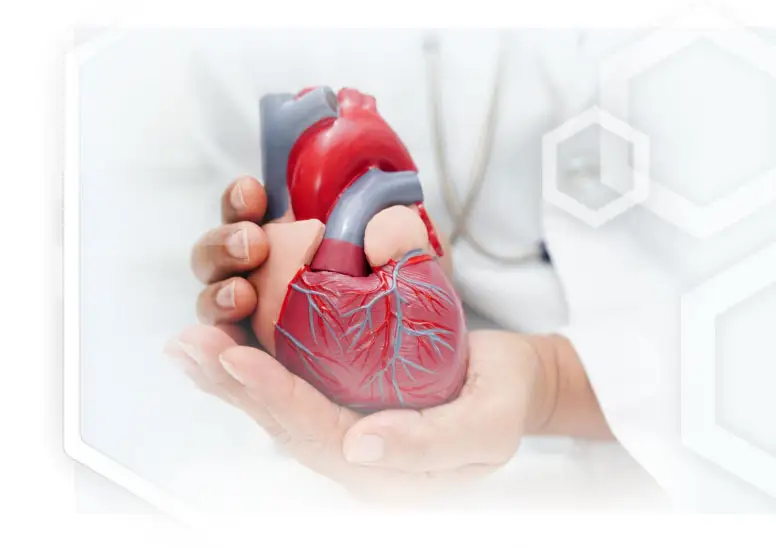

How Does Heart Screening Work?
Heart screening at Impact Health NY begins with a comprehensive cardiovascular evaluation, including a detailed review of your medical history, family history, genetics, lifestyle, symptoms, and cardiovascular risk factors. Based on this personalized assessment, our preventive cardiology specialists recommend the diagnostic tests and advanced cardiac imaging that will provide the greatest clinical value for your individual health profile.
Some of these tools may include:
- Blood pressure measurement and comprehensive cardiovascular risk assessment
- Coronary artery calcium (CAC) scoring to detect early coronary artery disease
- Coronary CT angiography (CCTA) and other advanced cardiac imaging when clinically appropriate
- Genetic testing and other specialized evaluations for selected patients
- Ongoing follow-up to monitor cardiovascular health and optimize prevention strategies
This personalized approach allows us to detect cardiovascular disease earlier, better define your individual risk, and develop a prevention and treatment plan tailored specifically to you.
What Can Heart Screening Help With?
Heart screening plays a critical role in the early detection, prevention, and management of heart disease. At Impact Health NY, our personalized cardiovascular screening programs help identify cardiovascular risk factors and detect heart disease before symptoms develop, allowing for earlier intervention and more effective prevention:
✔ Blood pressure, cholesterol, diabetes, inflammation, and other cardiovascular risk factors
✔ Early signs of coronary artery disease and atherosclerosis
✔ Your personal, family, and genetic risk for heart disease
✔ Whether additional testing may be appropriate
✔ Whether advanced cardiac imaging, coronary calcium scoring, or coronary CT angiography (CCTA) may be beneficial
✔ A personalized prevention, treatment, and long-term cardiovascular care plan
✔The impact of lifestyle, metabolic health, and other modifiable risk factors on your cardiovascular health

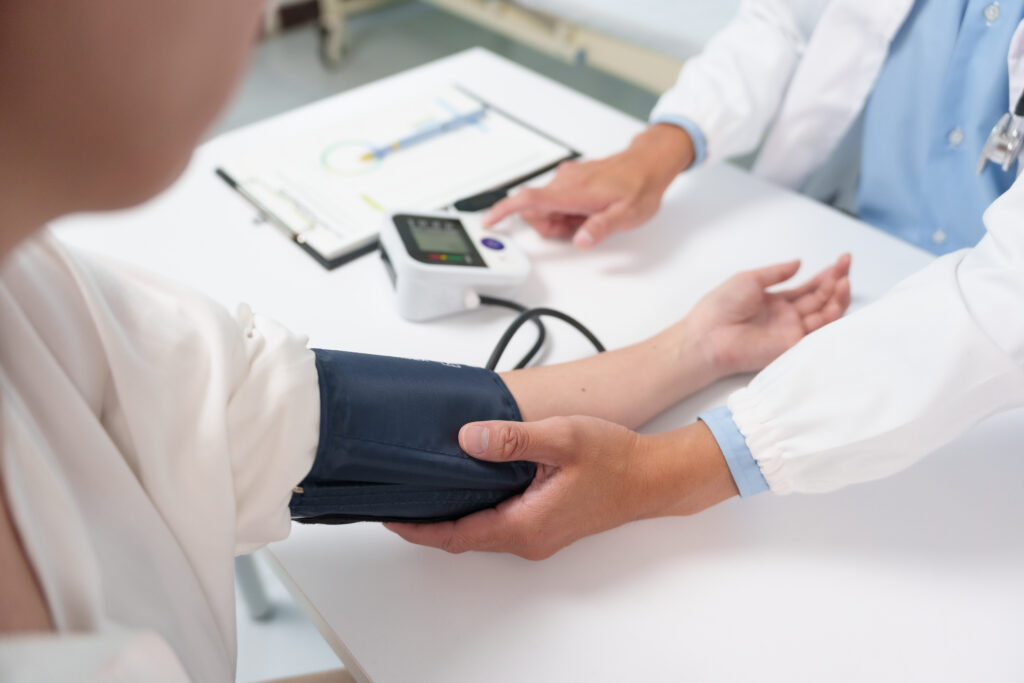
Proactive Heart Prevention Starts Here
Even with advanced cardiovascular testing, prevention still matters most. Heart disease risk is shaped by a combination of genetics, metabolic health, blood pressure, cholesterol, tobacco exposure, physical activity, diet, and age. That is why a personalized, preventive approach is so important.
At Impact Health, we take heart prevention further by offering:
- Risk assessment based on personal and family history
- Comprehensive lab testing to better understand cardiovascular and metabolic health
- Review of lifestyle factors that may influence long-term heart risk
- Follow-up and monitoring to track changes over time
- A more targeted plan based on what is actually relevant to your health
Screening and Risk Assessment Tools We May Use
Every heart screening program at Impact Health NY is personalized based on your medical history, family history, genetics, symptoms, cardiovascular risk factors, and long-term health goals. Our preventive cardiology specialists use advanced diagnostic testing to develop a comprehensive assessment of your cardiovascular health and create a personalized prevention strategy. Your cardiovascular screening may include:
- Blood pressure measurement and comprehensive cardiovascular risk assessment
- Advanced cholesterol, metabolic, inflammatory, and cardiovascular biomarker testing
- Coronary artery calcium (CAC) scoring to detect early coronary artery disease
- Family history review
- Lifestyle, nutrition, exercise, and smoking risk evaluation
- Ongoing monitoring to optimize long-term heart health and prevention
At Impact Health NY, we believe the best heart screening is personalized. Rather than ordering the same tests for every patient, we recommend the diagnostic studies that provide the greatest clinical value for your individual cardiovascular risk profile.


What Are the Benefits of Heart Screening?
Comprehensive heart screening can be one of the most effective ways to identify cardiovascular disease early and create a more personalized plan to lower your risk of heart attack, stroke, and other heart-related conditions. At Impact Health NY, our preventive cardiology approach combines advanced testing with individualized risk assessment to give you a clearer picture of your heart health and help guide next steps.
Potential benefits may include:
✔ Earlier detection of heart disease before symptoms develop
✔ A more accurate assessment of your personal cardiovascular risk
✔ Personalized prevention and treatment recommendations
✔ Identification of coronary artery disease and other cardiovascular conditions at an earlier stage
✔ Better-informed decisions regarding lifestyle changes, medications, and additional testing
✔ Ongoing monitoring over time
For many patients, the greatest benefit of heart screening is the opportunity to detect cardiovascular disease early, personalize treatment, and take proactive steps to protect their heart health before serious problems occur.
Is Heart Screening Safe?
Yes. Heart screening is safe and highly effective when the appropriate tests are selected based on your individual health profile. Most cardiovascular screening tests, including blood pressure measurement, laboratory testing, coronary calcium scoring, and many forms of advanced cardiac imaging, are noninvasive, well tolerated, and play an important role in the early detection and prevention of heart disease.
Some people may need a more individualized approach based on:
- Personal and family history of heart disease
- Age and overall health status
- Genetics and cardiovascular risk factors
- Symptoms and medical history
- Blood pressure, cholesterol, diabetes, smoking history, and lifestyle
Impact Health NY ensures that all patients receive a thorough assessment of their cardiovascular system from our preventative cardiologists. They create an individualized cardiac screening test using the most suitable diagnostic and imaging modalities to increase clinical utility while reducing any unnecessary procedures.
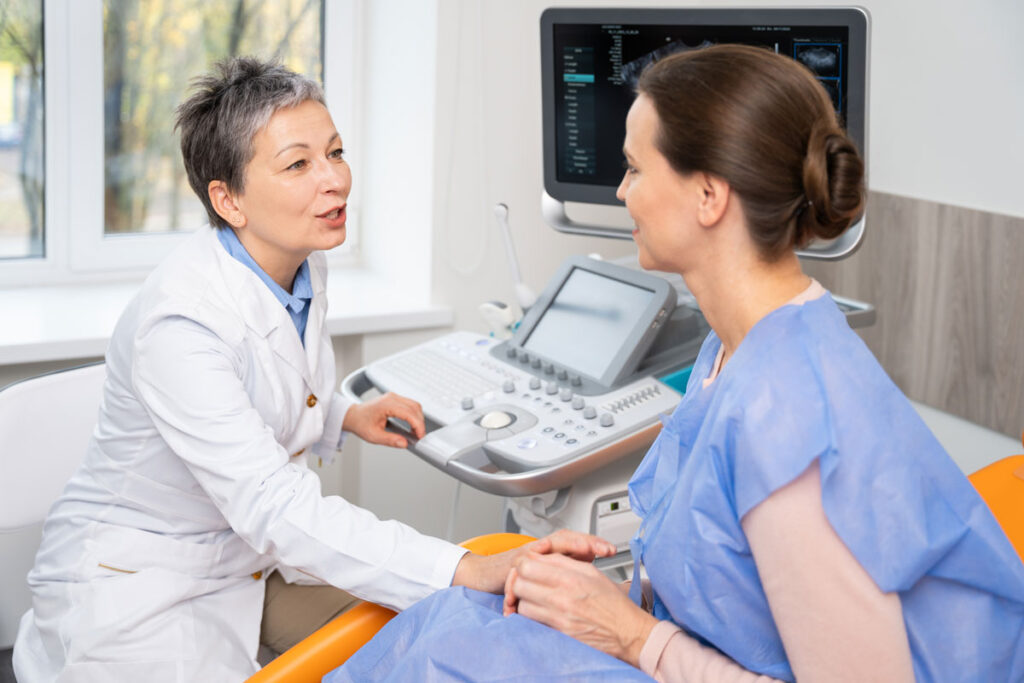

Customized Heart Screening Plans at Impact Health
At Impact Health NY, heart screening is designed to give you a clearer picture of your cardiovascular health and a more useful plan for what comes next. Rather than applying the same screening process to everyone, we focus on choosing the evaluations that are most likely to answer important questions, clarify risk, and support smarter prevention.
This means your screening plan is built to help:
- Identify concerns that may need closer attention
- Clarify your overall cardiovascular risk
- Guide decisions about prevention, follow-up, and next steps
- Connect screening results to a broader long-term health strategy
We also use heart screening as part of a bigger prevention plan, so the focus is not just on testing. It is on understanding what the results mean and how they can help protect your long-term heart health.
Take Charge of Your Heart Health Today
Heart disease often develops silently over many years, making early detection and personalized prevention essential.At Impact Health NY, our comprehensive cardiovascular screening programs combine advanced imaging, innovative diagnostic testing, and expert preventive cardiology to identify risk early and help you develop a personalized plan to protect your heart for years to come.
If you’re ready to take a proactive approach to your cardiovascular health, schedule your heart screening consultation with the preventive cardiology experts at Impact Health NY in White Plains today
Heart Screening FAQs
When should you get screened for heart disease?
The ideal time for heart screening depends on your age, family history, genetics, cardiovascular risk factors, and overall health. Many adults benefit from a personalized cardiovascular risk assessment well before symptoms develop, allowing heart disease to be detected earlier and prevention strategies to begin sooner
What is the first step in heart screening at Impact Health?
The first step in heart screening consists of reviewing your medical history, family history, symptoms, and heart disease risk factors in order to recommend appropriate testing options.
Can heart screening catch potential issues before symptoms arise?
Sometimes, yes. Some heart disease screenings can diagnose risk factors or underlying issues prior to any apparent symptoms appearing.
Is heart screening appropriate for everybody?
No, not all tests will be suitable for everybody. The best approach depends on the patient’s age, symptoms, medical history, and risk factors.
Is a heart screen covered by insurance?
Again, it will depend on the type of test as well as on your symptoms, risk profile, and the insurance you have. Some screenings are more likely to be covered when they are considered medically necessary.